
Our Founder
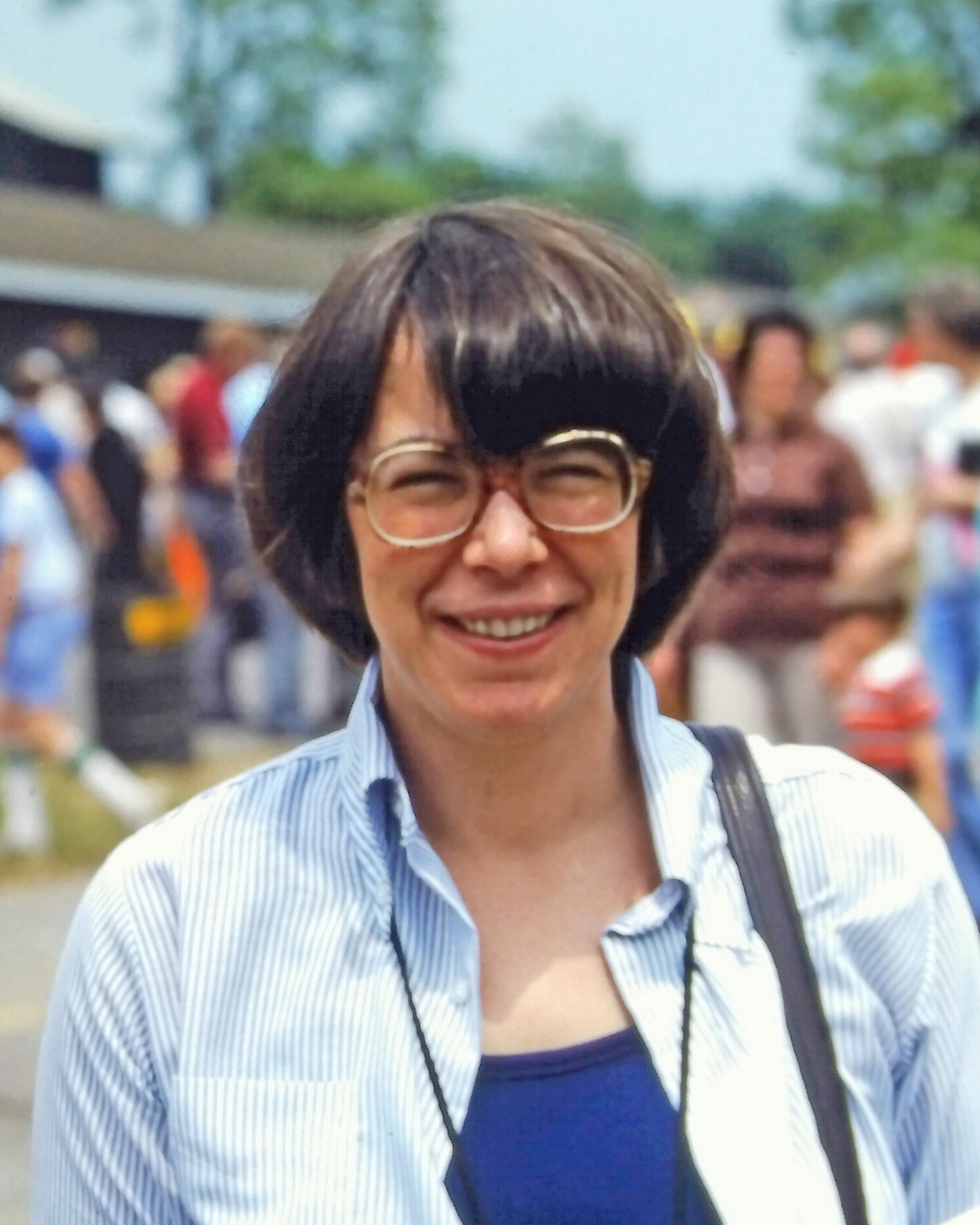
Lynne’s activism started while she was in Texas in 1970. She was active in efforts to halt poisoning of coyotes on publicly owned lands, to save Big Thicket National Preserve and have Sydney Island set aside as an Audubon Sanctuary for Roseate Spoonbills. For more than 25 years, Lynne Frink served as a catalyst for change in the way people perceive and act towards the environment and wildlife. A vocal and compassionate force for the protection of wildlife, Lynne’s leadership was legendary by the time she passed away.
Lynne and her husband John Frink returned to Delaware in 1975 where she was instrumental in founding the Delaware Audubon Society and served as its president. In 1976, following the last of a series of five oil spills on the Delaware River, Lynne founded Tri-State Bird Rescue & Research to explore the effects of oil on wildlife and to develop research and treatment procedures. Today, Tri-State Bird Rescue operates a federally licensed, non-profit avian rehabilitation clinic which cares for 4,000 injured and orphaned native birds annually, and also staffs a professional 24-hour oil spill response management team. We will forever remain grateful to Lynne for her vision, guidance and compassion that have enabled us to save tens of thousands of birds.
In January 1998, Lynne lost a five-month battle with cancer. Tri-State remains committed to carrying on Lynne’s work, making a difference to wildlife and the community.
Lynne S. Frink, Environmental Activist, 1946-1998
Our History
On December 26, 1976, during one of the worst winters of the century, the Liberian tanker Olympic Games ran aground in the Delaware River. Oiled Canada Geese were found walking on roadways three miles inland, searching for open water. This spill was the sixth major oil spill in the Northeast region of the United States in a three-year period. Despite the efforts of many people, tens of thousands of animals died as the result of oil contamination. Tri-State Bird Rescue & Research was founded that winter by Lynne Frink for the purpose of establishing a multi-disciplinary team of wildlife biologists, veterinarians, pathologists, chemists and concerned citizens to study the effects of oil on birds and develop protocols necessary to treat affected wildlife. More than 45 years later, Tri-State continues to be a leader in oiled wildlife response and is internationally recognized for its oiled bird rehabilitation and research. Tri-State’s Oiled Wildlife Response Team collaborates with petroleum companies, government agencies, colleagues and concerned citizens around the world not only to respond to oiled wildlife, but also to lessen the impact of incidents on natural resources through contingency planning and training prior to a spill.
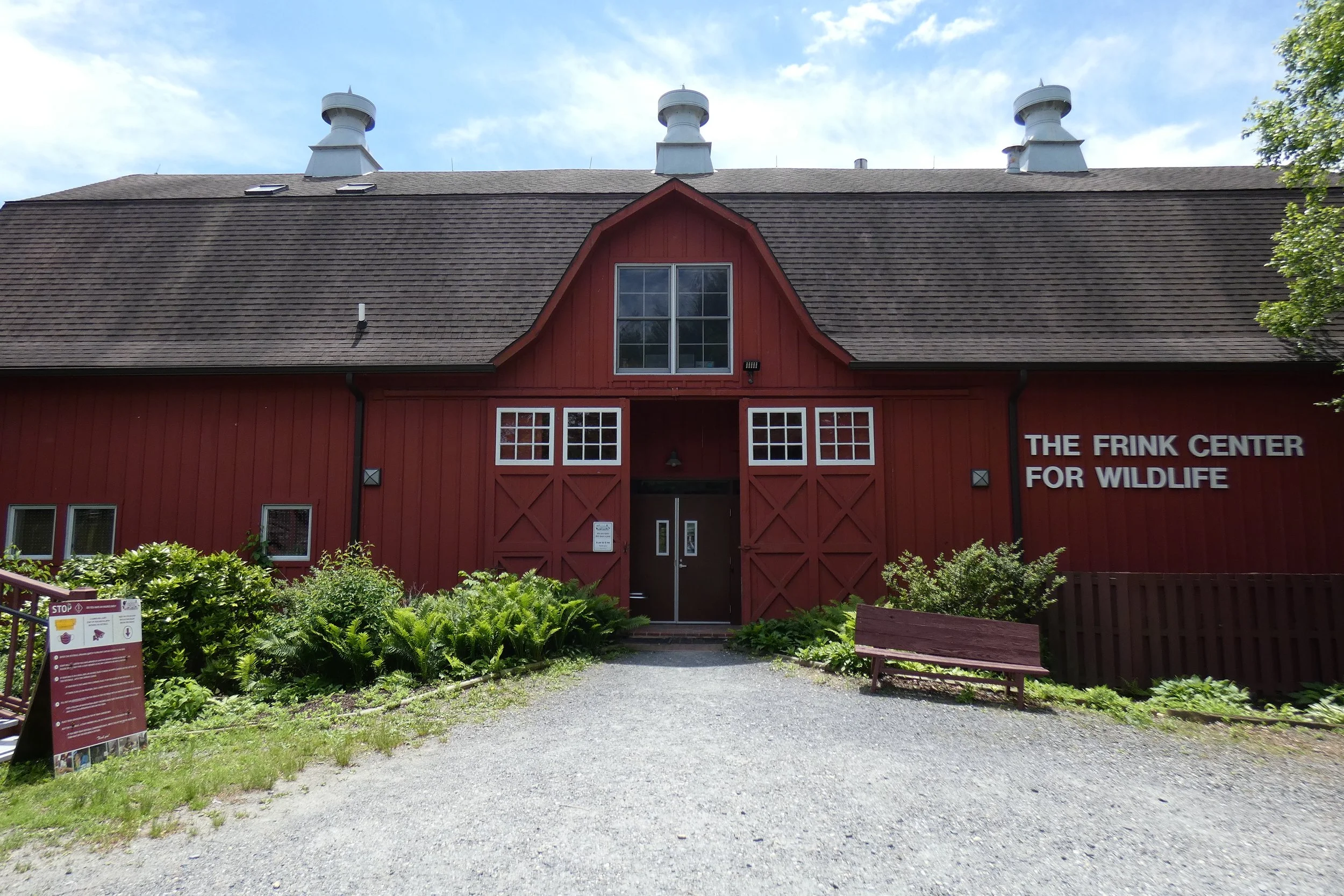
In response to community need, Tri-State Bird Rescue & Research opened a full-time Wild Bird Clinic in 1982 to care for ill, injured, and orphaned wild birds. We quickly outgrew the original facility because of a rapidly growing caseload and with the help of the community, Tri-State opened a new wildlife facility in 1989. Today, the Frink Center for Wildlife consists of animal care wards, surgery and research labs, outdoor aviaries and pools, and administrative offices. In 2015, we expanded again with the opening of the L. Leon Campbell & Alice P. Campbell Wildlife Response Building, which is a unique building that provides a dedicated space to effectively treat wildlife following oil spills and other large-scale incidents.